
Editorial Note: This beauty article is for general editorial inspiration only. It is not medical advice, dermatology advice, diagnosis, treatment, or professional care. Adapt every idea to your skin, body, budget, preferences, and qualified guidance when needed.
Soft side part hair can look relaxed in one mirror and unexpectedly severe in another. The difference is usually not the haircut. It is the position of the line, the direction of the roots, and how much weight sits over the fuller side.
A softer version keeps the part close enough to the natural fall that the hair still moves, then uses a small shift for lift or shape. A very deep line can create a stronger evening effect, while a subtle diagonal can change the balance without sending most of the hair across the face.
Cowlicks, density, curl pattern, fringe length, and the weather all affect the result. The useful goal is not perfect symmetry; it is a part that stays comfortable, gives the front section a clear direction, and remains believable once the hair settles.
Key Takeaway: Soft side part hair works best when the line follows your natural fall, the fuller side has light root lift, and the lengths remain mobile.
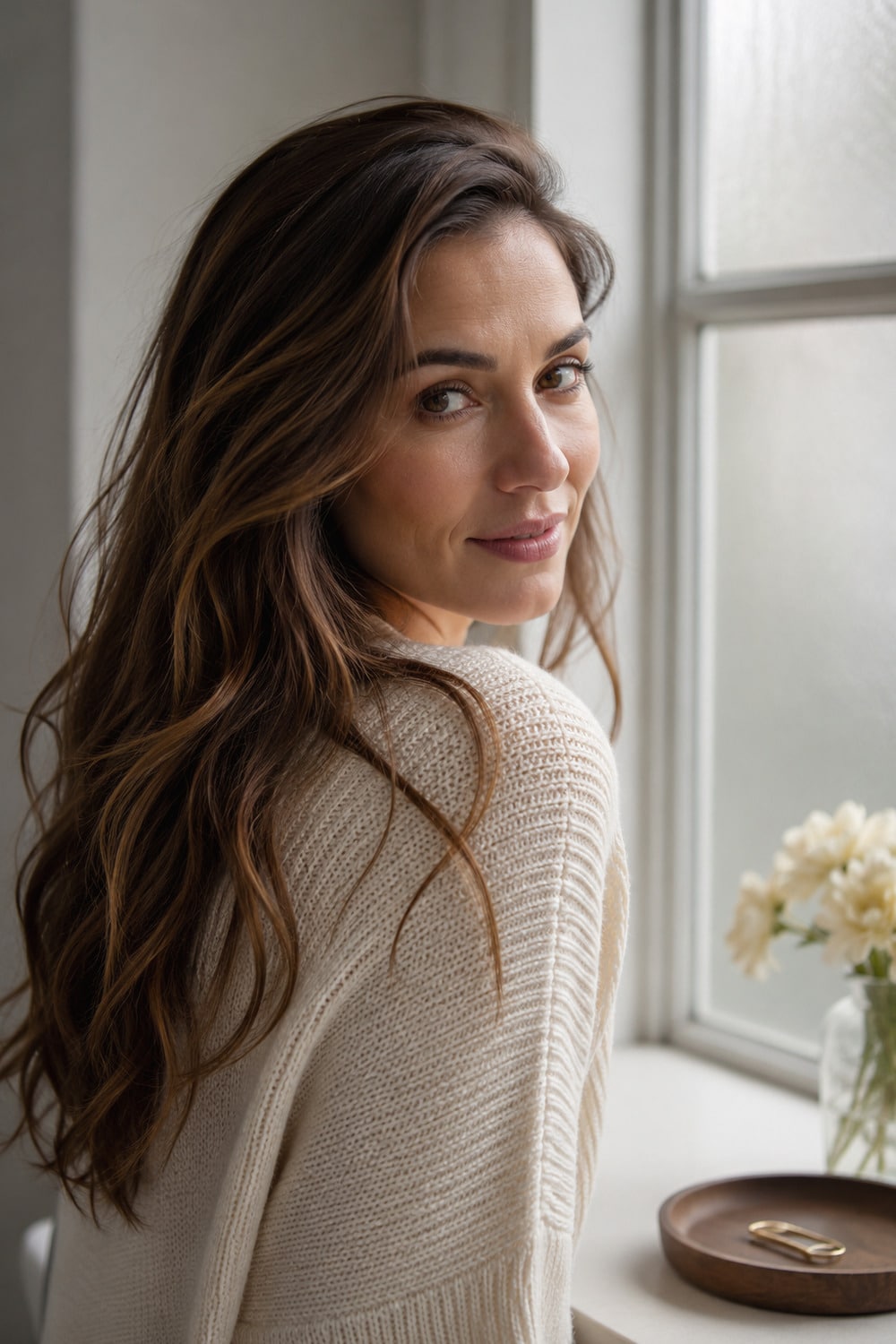
Soft Side Part Hair Sets the Mood
Soft side part hair usually begins a little off centre, where the hair can cross the top of the head without forming a hard shelf. Among side part hairstyles, moving the line farther towards the temple increases contrast between the two sides. That can suit a sculpted bob or formal waves, but it also makes flat roots and heavy product more noticeable.
A diagonal hair part is a useful middle option. Start near the highest point of one eyebrow and angle the comb gently towards the crown instead of drawing a straight track to the back. The front reads as side-parted, while the crown keeps a more even distribution of hair and is less likely to collapse on one side.
Judge the placement after the hair has fallen for a minute. The first combed position can look neat but may not survive movement, especially around a cowlick. A line that shifts slightly yet returns to the same general place often looks softer than one fixed with a dense layer of spray.
A Trial Run Before Styling
Test the direction on dry hair before wetting the roots or reaching for heat. Flip the front section to each side, take a front and side photograph, then compare where the sweep clears the eye and where the crown keeps its height. This quick check is more informative than choosing a side from a face-shape rule.
Once the position feels right, reset only the first few centimetres at the root. Lightly dampen that area, place two flat clips along the new line, and let it dry with minimal tension. Hair that strongly resists the change may need a smaller shift; discomfort or pulling is a reason to loosen the clips instead of forcing the part.
Volume Depends on Direction
The lift in soft side part hair increases when the roots are asked to stand against their usual fall. Parting with the natural fall gives a flatter, calmer result. Neither is automatically better: the choice depends on whether the style needs height at the crown or a closer, sleeker frame around the face.
Fine hair can lose the effect when mousse, oil, or shine spray is spread across the whole top section. Keep volumising product close to the root on the fuller side and leave the opposite side lighter. On dense hair, separating a narrower front panel can keep the sweep from becoming bulky over the forehead.
Finish by moving the hair with your fingers before adding hold. If the shape disappears immediately, support the root and keep extra product off the lengths. The modern effect comes from a defined direction with enough flexibility for the wave, curl, or straight section to separate naturally.
Waves Bobs and Curls Need Different Placement
On a bob or pixie, soft side part hair shows even a small shift because there is less length to absorb it. Keep the fuller side connected to the cut: a blunt bob may suit a clean sweep, while a pixie often needs a lighter front section so the fringe does not sit as one solid piece. This is why a side part can work on short hair without needing a new cut.
Waves show the part most clearly when the first bend turns away from the face. Curly and coily hair may show more shape than line, so work with the existing curl groups and separate only the front section needed for direction. Low-tension placement preserves movement; pulling every curl into a sharp track can flatten the area that is meant to carry volume.
The Low Bun Changes With Tension
A low bun looks softer when the part is visible but the front is not pasted flat. Leave a little height on the fuller side, gather the hair at the nape, and tighten only enough to secure the shape. A warm latte makeup look can echo the understated finish without making the hairstyle feel like a formal set.
Heat Hold and Next Day Maintenance
Heat is optional for this style. When a blow dryer or curling tool is useful, work with the lowest effective setting, keep contact brief, and avoid repeating passes over the same section. Excessive heat can contribute to dryness and breakage, so the part itself should do most of the directional work.
The next day hair refresh should focus on the hairline and crown instead of restyling every length. A mist of water at the roots, a short cool or low-heat reset, and a finger-comb through the sweep can restore the shape while preserving yesterday’s waves. If the part has drifted, return it to the same diagonal; a deeper line will change the balance.
Colour and small finishing details change how the shape reads in photographs. A reflective shade such as soft copper hair color can make bends more visible, while soap nails keep the accompanying beauty details quiet. Neither is required; the part still depends on root direction, balanced weight, and movement.
Final Thought
The result feels current when soft side part hair follows your hair’s real fall, the fuller side keeps light lift, and the style can move without constant correction.
References and Further Reading
- Spring’s Biggest Hair Trend Is a 2000s Throwback
- The Millennial Side Swoop Was All Over the Golden Globes Red Carpet
- The ‘soft side-part’ is the hairstyle switch-up you’re craving
- This Nostalgic Hair Style Is Back For 2026—Suitable For All Hair Types and Gives Instant Volume
- 10 hair care habits that can damage your hair
Related Reading