Editorial Note: This beauty article is for general editorial inspiration only. It is not medical advice, dermatology advice, diagnosis, treatment, or professional care. Adapt every idea to your skin, body, budget, preferences, and qualified guidance when needed.
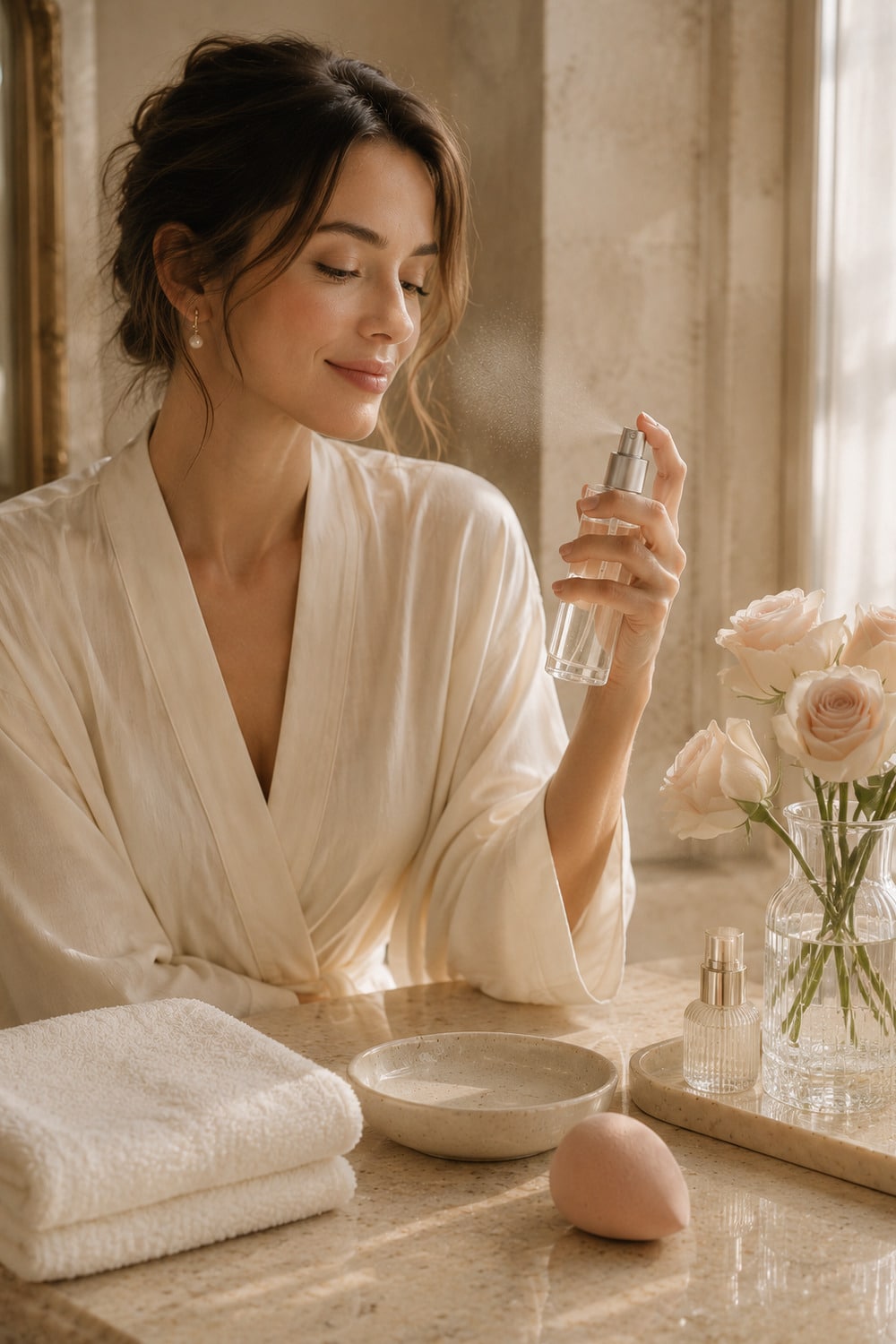
Rosewater beauty rituals often begin with a fine mist, a cool cloth, or a softly scented bottle on the vanity. The useful question is not whether the ritual looks appealing, but what the formula contains and what job it can realistically do in the routine.
A product sold for rosewater skincare may be a simple floral distillate or a more complex face mist containing fragrance, alcohol, humectants, preservatives, and other extracts. That difference affects scent, finish, comfort, and how the product should be layered.
Rosewater remains an optional sensory step. It does not replace cleanser, moisturiser, sunscreen, or care for an ongoing skin problem, and a formula that stings or leaves the skin feeling tight has no reason to stay in the routine.
Key Takeaway: Choose rosewater by its full formula and skin feel, then use it lightly before moisturiser or as a controlled makeup refresh.
What the Bottle Actually Contains
Rosewater beauty rituals depend on more than the word rosewater on the front of a bottle. Read the ingredient list to see whether rose water appears alone or alongside added perfume, alcohol, glycerin, botanical extracts, colourants, and preservatives. A short list is not automatically gentler, but it is usually easier to understand what you are applying.
Spray pattern also changes the experience. A fine, even cloud can settle without disturbing skincare or makeup, while a forceful jet leaves wet patches that need pressing or blotting. Test the nozzle away from the face first, then notice whether the product dries cleanly, feels sticky, or leaves a strong scent behind.
For a quiet vanity ritual, a simple mist with a comfortable finish may be enough. A more elaborate formula should earn its place through texture and usability, not through broad claims about glow, balance, or skin transformation.
Where Rosewater Beauty Rituals Sit in a Routine
After cleansing, rosewater beauty rituals can stay simple: mist lightly from a comfortable distance and allow the droplets to settle. Follow with moisturiser while the skin still feels slightly damp if that layering feels comfortable. Rosewater alone is too light to stand in for a cream or lotion that reduces moisture loss.
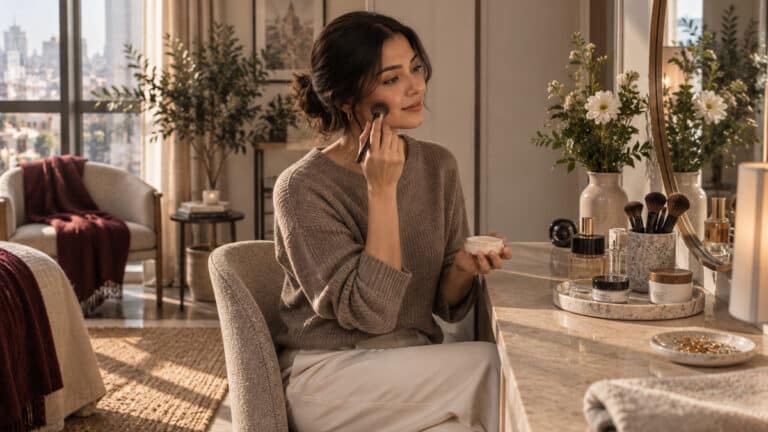
Before makeup, a rosewater mist routine needs less product than you would use on bare skin; press any excess with clean hands or a sponge instead of rubbing. A comfortable base can sit beneath an apricot makeup look or a warm neutral latte makeup look without turning the mist into a primer or setting spray it was not designed to be.
A Small Area Test Before Full Use
For a new leave-on product, a small area test gives more useful information than judging the scent from the cap. The American Academy of Dermatology advises applying the product to a discreet test spot twice daily for seven to ten days, using it for the same contact time you would in normal use.
This home check is different from diagnostic patch testing carried out by a dermatology service. It may reveal that a finished product does not suit you, but it does not identify the exact allergen. Labels such as botanical, natural, unscented, or sensitive skin also do not guarantee that a formula will be comfortable for every person.
Stop using the mist if it repeatedly causes itching, swelling, blistering, marked redness, or persistent stinging. A severe reaction or symptoms that do not settle belong with qualified care, not with repeated experiments using the same bottle.
The Difference Between Cooling and Moisturising
A chilled mist or cool cloth can feel pleasant because water evaporates from the surface. That cooling sensation is immediate, but it is not the same as lasting moisturisation. If the skin feels tighter once the water dries, use less mist, follow with a suitable moisturiser, or leave the step out.
For a towel ritual, dampen a freshly washed soft cloth with cool water and add only the amount of rosewater your skin has already tolerated. Press it over the hands or neck rather than scrubbing the face. The value is the temperature and pause, not aggressive rubbing or repeated soaking.
Freshness Hygiene and the DIY Question
Clean handling matters in rosewater beauty rituals: keep the cap and nozzle clean, follow the period-after-opening guidance, and replace a product that changes noticeably in smell, colour, or texture. Avoid dipping fingers, petals, or reusable pads into the bottle. A fine mist is only appealing when the container and tools around it are kept clean.
Homemade rosewater can develop bacteria or mould because a kitchen mixture does not have the same preservation controls as a finished cosmetic. For the same pared-back vanity mood, details such as soap nails and a clean tray are safer visual additions than petals left sitting in water.
When the Ritual Should Stay Optional
There is no need to make rosewater beauty rituals a daily habit. Start occasionally, watch how the full formula behaves with the rest of your routine, and keep it only if the scent, finish, and timing feel genuinely pleasant. More frequent spraying does not make the ritual more effective.
Rosewater should not be used as treatment for acne, eczema, rosacea, wounds, or a persistent rash. It also should not be layered over skin that is already burning or visibly damaged simply because the bottle is described as soothing.
The most successful rosewater beauty rituals are modest: a compatible formula, a controlled amount, clean tools, and no pressure to force an optional step into every morning or evening.
Final Thought
Rosewater earns a place on the vanity when its formula is understood, its scent is welcome, and the mist adds comfort without displacing the routine basics.
References and Further Reading
- The 8 Main Benefits of Using Rose Water to Soothe Your Skin
- The Best Cooling Face Mists to Keep in Your Bag When It’s Too Hot to Function
- How to test skin care products
- Allergens in Cosmetics
- Contact dermatitis
Related Reading