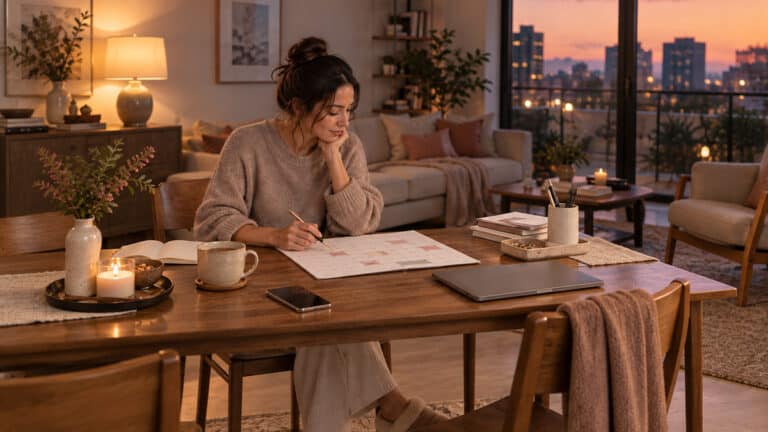
Editorial Note: This wellness article is for general editorial inspiration only. It is not medical advice, mental health treatment, diagnosis, fitness prescription, nutrition plan, or professional care. Adapt every idea to your body, health, circumstances, and qualified guidance when needed.
Soft fitness for women offers a calmer relationship with movement: walking, stretching, light strength, mobility, dancing, cycling, Pilates-inspired work, or bodyweight moves that leave you feeling more present rather than punished.
For many women, a sustainable routine has to fit around energy, hormones, work, caregiving, recovery, weather, confidence, and time. Gentle movement can still be purposeful; it simply gives the body more room to respond.
The appeal is especially clear in a wellness culture where many women want strength, consistency, and body respect without turning every workout into a performance.
Key Takeaway: A soft fitness routine can pair walking, mobility, light strength, recovery, and joyful movement in a way that respects energy, capacity, and real life.
Why Soft Fitness for Women Feels Relevant Now
The fitness conversation is slowly moving beyond the idea that a workout only counts when it is exhausting. The World Health Organization and the CDC both emphasize regular moderate activity and muscle-strengthening habits, while the CDC also notes that movement can be broken into smaller chunks across the week.
Soft fitness for women gives that conversation a practical shape. The approach keeps effort in the picture while loosening the all-or-nothing mindset. A walk, a light strength circuit, a short mobility flow, or a quiet stretch session can become part of a wider life rhythm rather than another demand on your body.
1. Start With Walking That Feels Like a Reset
Walking is one of the simplest ways to begin. It can be a ten-minute loop after lunch, a slower evening walk, or a weekend stroll in a place that feels visually pleasant. The goal is not to chase steps obsessively; it is to let the body move and the mind soften.
If you like a reflective approach, silent walking for women can pair beautifully with this routine. No playlist, no performance, no pressure—just body, breath, surroundings, and a sense of returning to yourself.
2. Use Mobility Before Intensity
Mobility work can feel understated, but it often makes everyday movement easier. Think shoulder circles, hip openers, gentle spinal rotations, ankle mobility, slow neck release, or a short morning sequence before the day becomes busy.
For soft fitness for women, mobility is not a warm-up you rush through. It is part of the workout itself. It teaches the body to move through comfortable ranges without forcing flexibility or comparing your shape to anyone else’s.
3. Add Strength in Small, Elegant Doses
Strength can belong in a soft routine. Bodyweight squats, wall push-ups, glute bridges, resistance bands, light dumbbells, or slow calf raises can all support movement that feels steady and appropriate.
The NHS includes strengthening activities in its adult physical activity guidance and lists options such as yoga, Pilates, resistance bands, and bodyweight exercises. A refined approach might be two short strength sessions per week, focused on form, breathing, and feeling capable rather than crushed.
4. Let Recovery Be Part of the Plan
A routine that ignores recovery often becomes difficult to maintain. Some days your body may want a walk. Other days it may want stretching, a slower pace, or a complete pause. That can be a sign that you are paying attention.
Micro-rest rituals for women can support movement without turning wellness into another rigid checklist. A soft routine has room for breath, hydration, sleep, quiet, and recovery between active days.
5. Choose Movement That Does Not Shame Your Body
Some fitness content makes women feel as if their bodies are permanent projects. A healthier editorial approach is different: movement can support strength, posture, energy, mobility, and confidence without being tied to punishment, shrinking, or constant before-and-after thinking.
Soft fitness for women should feel body-respectful. You can still have goals, but the language matters. Instead of “burn it off,” try “build steadiness.” Instead of “fix my body,” try “support my body.” This small shift changes the emotional climate of the routine.
6. Make the Routine Beautiful Enough to Repeat
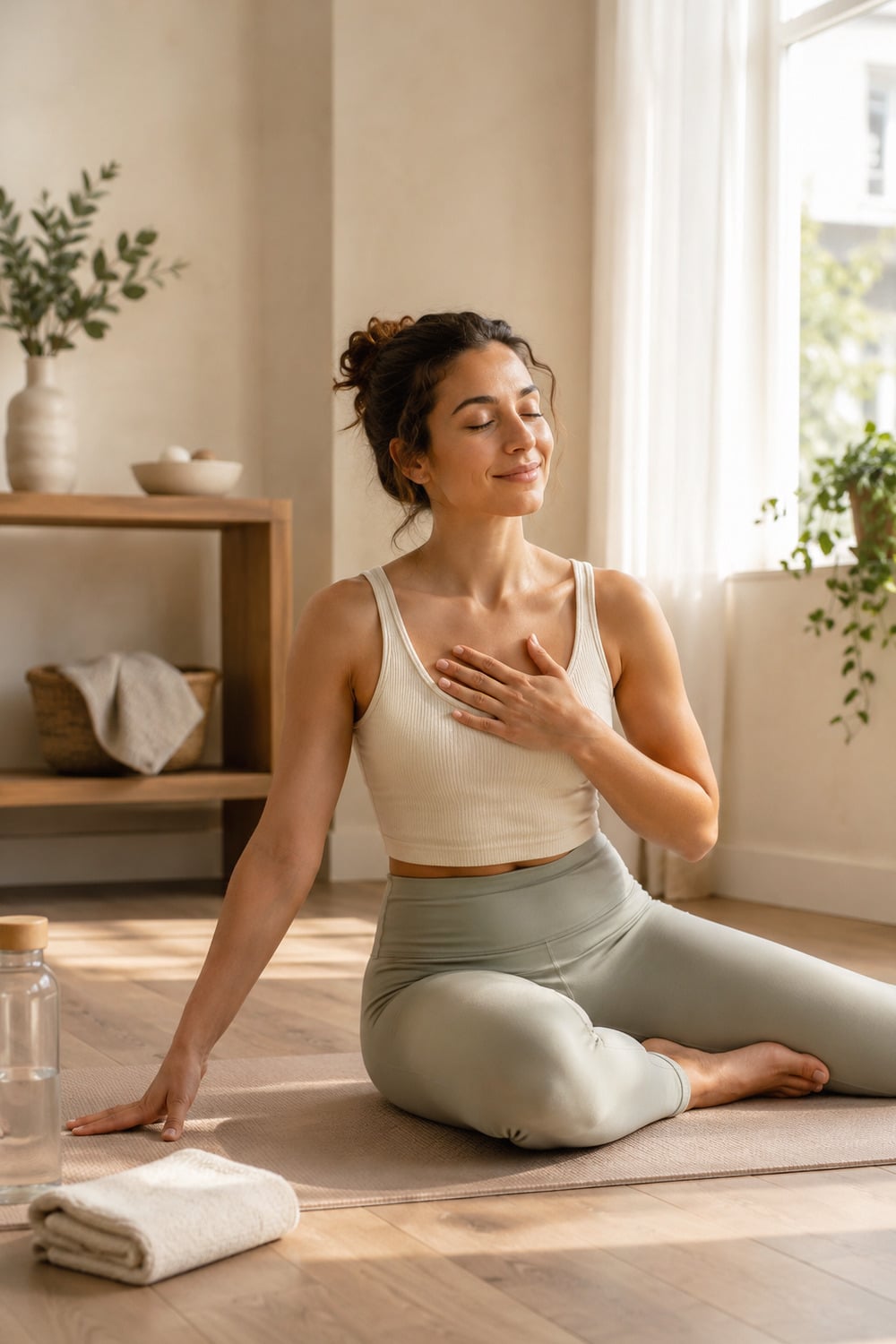
Consistency is easier when the routine feels pleasant. A clean mat, a breathable outfit, a favorite walking route, a soft playlist, a water bottle, a tidy corner, or morning light through the window can make movement feel like care instead of obligation.
This connects naturally with joyful wellness. A habit you do not dread is easier to revisit. A little beauty, comfort, and atmosphere can make a gentle routine easier to return to.
7. Track Energy, Not Just Performance
Wearables and apps are major fitness tools, and ACSM named wearable technology the top fitness trend for 2026. Still, numbers can support the routine only if they help you listen better. If tracking makes you anxious, competitive, or disconnected from your body, simplify it.
For soft fitness for women, a useful tracker may be very simple: Did I move today? Did I feel calmer afterward? Did I sleep better? Did my body feel respected? These questions often reveal more than a perfect streak.
A Soft Weekly Movement Rhythm
A Realistic Rhythm to Adapt Gently
- Two gentle walks. Keep them simple, steady, and pleasant enough to repeat.
- Two short strength or Pilates-inspired sessions. Focus on form, breath, and feeling capable.
- One mobility flow. Use slow movement for shoulders, hips, spine, ankles, and neck.
- One joyful movement moment. Try dancing, cycling, a relaxed class, or another low-pressure activity you enjoy.
- One true rest day. Adjust the order around your real life, not an idealized schedule.
If you often feel drained, emotional energy budget habits can help you decide what kind of movement makes sense on a given day. Some weeks need more strength. Some weeks need more walking. Some weeks need gentler expectations.
A Simple Soft Fitness Map
A simple map can keep the routine easy to understand. Walking may be a ten-minute lunch loop, an evening walk, or a weekend stroll; it moves the body while giving the mind a chance to soften. Mobility might include shoulder circles, hip openers, spinal rotations, and ankle work that support everyday movement without forcing flexibility.
Strength can stay gentle with wall push-ups, glute bridges, resistance bands, light dumbbells, or slow bodyweight work. Recovery belongs beside the active pieces through breath, hydration, sleep, quiet, and slower movement. Joyful movement can be dancing, cycling, soft Pilates, gentle stretching, or any pleasant route that makes the routine easier to revisit.
FAQ
Is Soft Fitness for Women Enough to Count as Exercise?
It can be, depending on the activity, intensity, and consistency. Soft fitness for women may include moderate walking, light strength, mobility, Pilates, yoga, cycling, or other movement. For personal fitness goals or health concerns, professional guidance is always safer.
Can I Do Soft Fitness If I Am a Beginner?
Yes. Begin with very small sessions and choose movements that feel manageable. If you have pain, dizziness, pregnancy-related concerns, a medical condition, or you have not exercised for a long time, speak with a qualified professional before increasing activity.
Does Gentle Movement Help With Confidence?
It may support confidence by helping you feel more connected to your body, but it should not be framed as a cure for low mood, anxiety, or deeper concerns. Confidence can come from many layers: movement, rest, support, self-respect, and professional care when needed.
Final Thought
Soft fitness for women gives movement a softer emotional climate without removing strength, structure, or self-respect. Start with what your body can repeat, leave room for recovery, and let consistency grow from care rather than pressure.
References and Further Reading
- World Health Organization: Physical Activity Overview
- CDC: Adult Physical Activity Guidelines
- NHS: Physical Activity Guidelines for Adults
- ACSM: 2026 Fitness Trends Report
Related Reading