Editorial Note: This beauty article is for general editorial inspiration only. It is not medical advice, dermatology advice, diagnosis, treatment, or professional care. Adapt every idea to your skin, body, budget, preferences, and qualified guidance when needed.
Chestnut brown hair sits in a useful middle ground for someone who wants brunette depth with visible warmth, yet does not want the colour to read as a full copper or auburn change. The decision is less about choosing a fashionable shade name than deciding how much red, gold and contrast you want to see in daylight.
The starting base matters just as much as the target photo. Natural brunette, previously highlighted hair and an all-over dyed base may need different routes to reach a similar-looking result, so the most practical plan begins with tone, placement, existing colour and the level of upkeep you are comfortable seeing at the roots and through the lengths.
Key Takeaway: Chestnut looks most convincing when its warmth is chosen for the starting brunette base and its dimension is placed where the hair naturally catches light.
What Makes Chestnut Brown Hair Read Warm Instead of Red
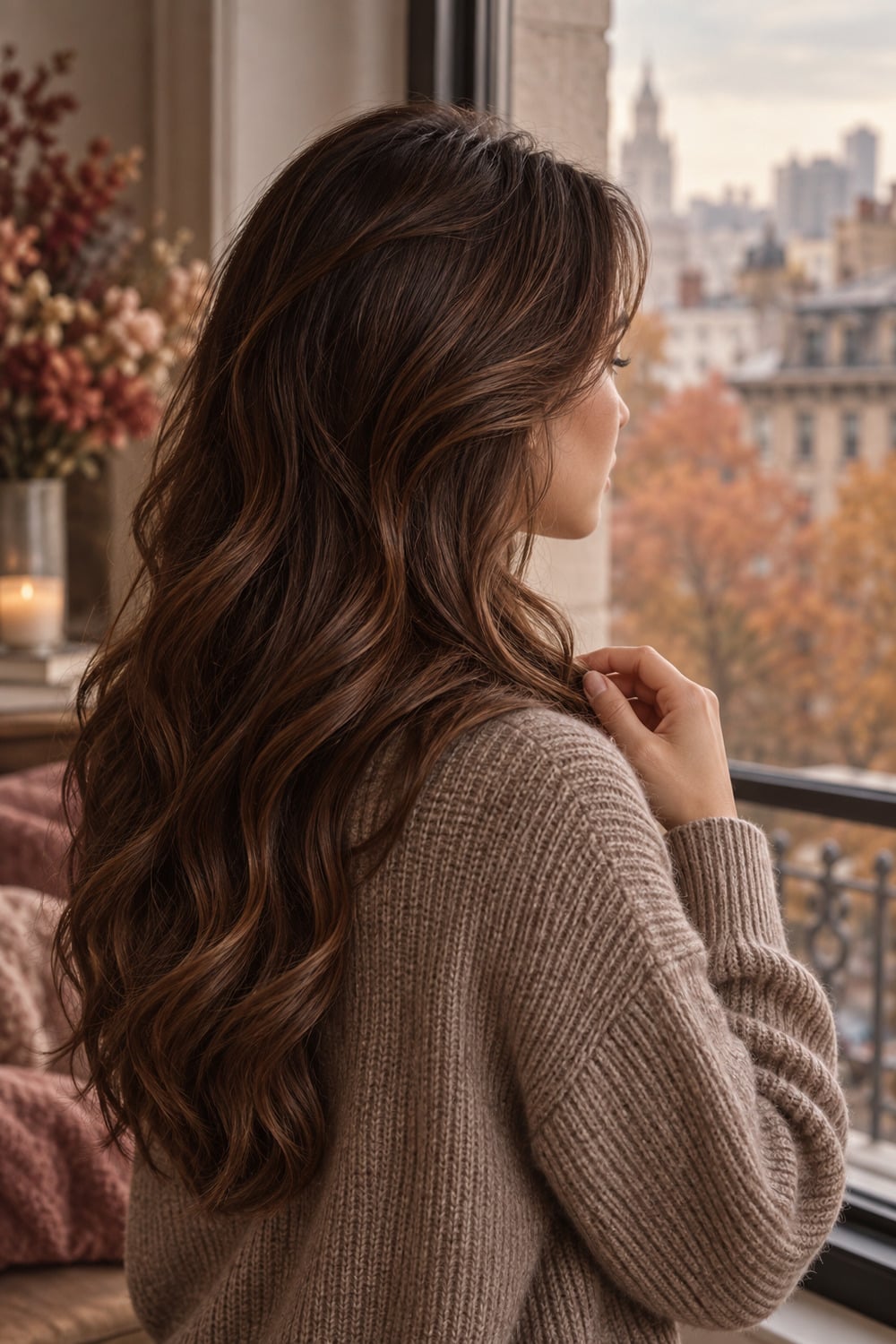
Chestnut brown hair is still brunette at its core. A reference can read as brown hair with red undertones, while golden warmth can become more visible when light moves across the hair, which is why two shades that look similar indoors can separate clearly near a window. If you want a quieter result, keep the base recognisably brown and keep the warmth as a reflection while the dominant colour remains brown.
A useful reference check is to compare the inspiration image in both bright natural light and softer indoor light. Look at the mids and ends as well as the face-framing pieces: if the whole colour stays strongly copper in both settings, you are probably looking at an auburn direction, which is redder than the softer chestnut effect you intended.
For chestnut brown hair, the phrase “warm brunette” is more useful when it is followed by a preference. Golden chestnut, muted red-brown chestnut and deeper chocolate-chestnut can all sit under the same label, but they create different amounts of warmth around the face and will not read identically on every starting colour.
Start with the Hair You Already Have
If your natural or coloured base is already brunette, you may be able to create the impression of chestnut mostly through tone and selective dimension. A gloss or demi-permanent colour can be worth discussing when the aim is to change reflection without making the hair dramatically lighter. Previously lightened hair can behave differently, so a colourist needs to see the current lengths, not simply the root shade.
Bring one reference that shows the overall depth and another that shows the warmth you like. This separates two decisions that often get bundled together: how dark the hair should remain and how red or golden the finish should look. It also gives the colourist room to account for previous dye, porosity and uneven lightening instead of copying a photograph literally.
Dimension Should Follow Contrast and Texture
Fine ribbons around the face can make a deep brunette base look lighter without turning the whole head into a highlighted look, while a softer root keeps regrowth from forming an abrupt line. On curls and waves, the bend of the hair already creates areas of light and shadow, so dimension can come from placement and texture together without adding brighter pieces everywhere.
The maintenance question for chestnut brown hair is therefore better framed around contrast than around the shade name. A result that stays close to your root depth and uses subtle tonal changes will usually show less obvious grow-out than a version built on brighter face-framing sections or significant lightening. That distinction is more useful than calling every chestnut brunette “low maintenance.”
Makeup Can Echo the Tone Without Matching It
A chestnut palette already carries brown plus a trace of red or gold, so makeup looks more considered when it picks up one part of that mix instead of repeating the hair colour literally. cinnamon brown makeup can bring a muted warm note to the eyes, while Espresso eyeliner keeps definition deeper and more neutral. For a smaller colour echo, rose brown nails work especially well when the hair leans red-brown instead of honey-gold.
Maintenance Depends on the Route to the Shade
Think about upkeep in three separate places: the root, the mid-lengths and the warm reflection. Roots show contrast as the hair grows, highlighted sections may need periodic rebalancing, and deposited warmth can soften between colour appointments. Those are different maintenance jobs, so one schedule does not fit every chestnut result.
Heat styling and repeated chemical processing can also affect how coloured hair looks and feels. The American Academy of Dermatology advises staying within three shades of your natural colour when dyeing and notes that stronger lightening requires higher peroxide volumes, which can increase hair damage. If the desired chestnut look starts much lighter than your current base, a qualified colourist can help set realistic steps instead of forcing the change in one session.
If dryness or breakage is already more noticeable after summer, autumn hair repair is the better companion read before adding extra lightening. Styling for shine can make warm brunette dimension easier to see, but shine products cannot undo structural damage or make repeated processing risk-free.
Colour Safety Belongs in the Plan
Hair dye safety at home deserves the same attention to instructions as the shade choice. Follow the manufacturer’s allergy alert and strand-test directions, use the stated processing time and do not keep a dye on longer in the hope of getting a deeper result. The NHS notes that many permanent and some semi-permanent hair dyes contain PPD, which can irritate skin or trigger allergic reactions in some people.
A previous dye reaction, or new burning, swelling, rash or breathing difficulty during or after colouring, is not a normal maintenance problem. Stop using the product and seek appropriate medical care; breathing difficulty or swelling of the lips, mouth, throat or tongue requires emergency help. That boundary matters more than preserving a colour appointment or finishing an at-home application.
Final Thought
The strongest chestnut result begins with a precise brief: keep the base brunette, decide whether the warmth should read golden or red-brown, and choose contrast that suits the starting hair and the upkeep you want. That makes chestnut brown hair a considered colour direction instead of a one-note seasonal change.
References and Further Reading
- 34 Chestnut Brown Hair Color Ideas for the Perfect Brunette Glow
- From griege brunette to naked blonde, here are the hair colours experts predict will be trending this autumn
- Coloring and perming tips for healthier-looking hair
- Hair dye reactions
- Love Hair Colour Trends? These 7 Are The Key Looks To Know For 2026
Related Reading